The Ultimate Guide to Efficient Dumpster Loading
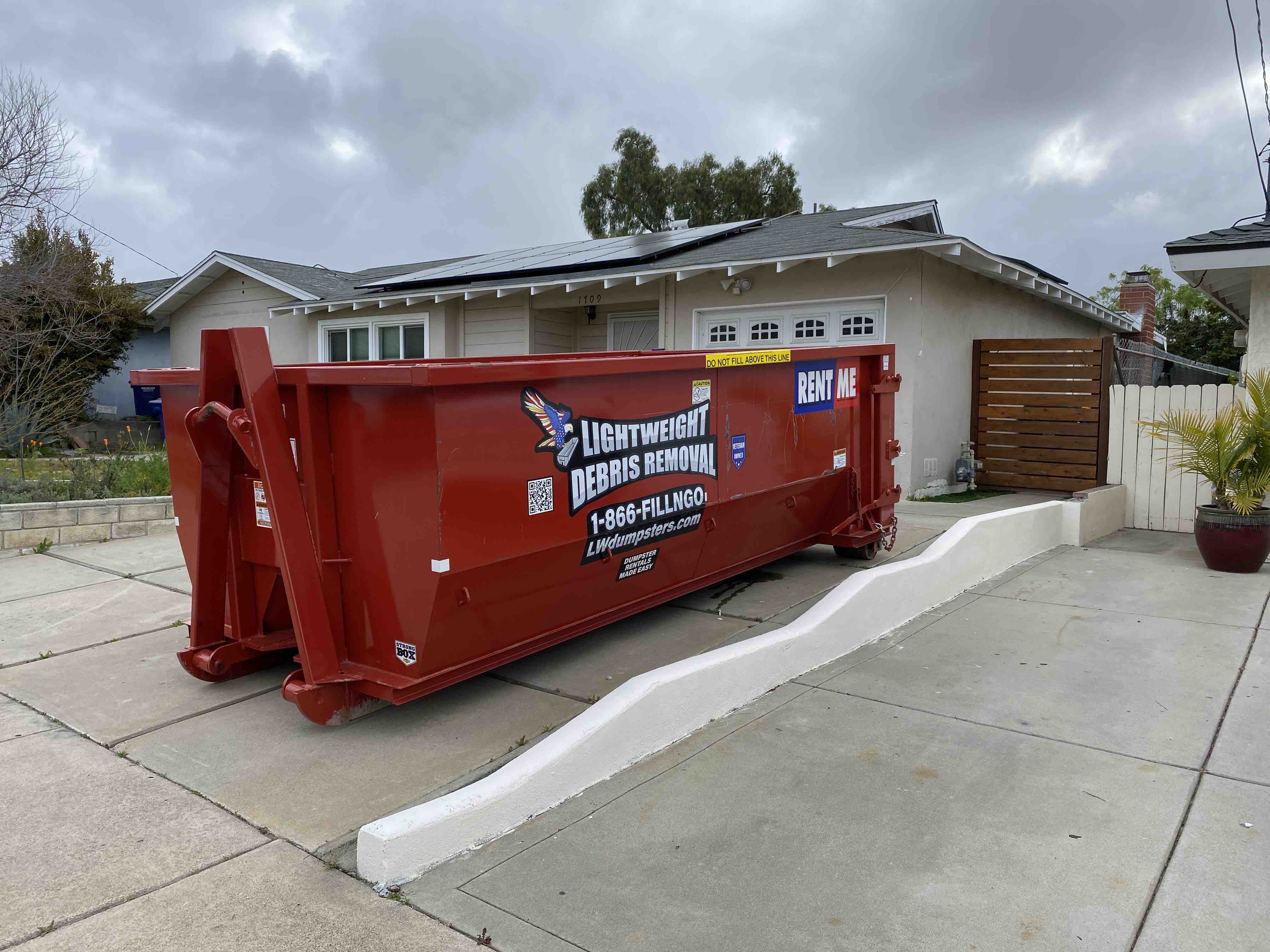
Whether tackling a renovation, cleanup, or building project, you might think dumpster loading is an easy step. But the way items are positioned affects how efficiently you use space, how safely you work, and how quickly you finish. A lot of individuals underestimate how crucial proper loading techniques are, which can cause space loss, safety hazards, and unnecessary project delays.
At Lightweight Debris Removal, we stress the importance of loading a dumpster correctly just as much as selecting the proper size. Taking an organized approach maximizes container use while ensuring a secure and efficient workspace. Our mission is to guide clients in getting maximum value from their dumpster rental through understanding correct loading methods that minimize clutter, avoid damage, and speed up cleanup.
Planning Before You Start Loading
Before filling the dumpster, taking time to organize is essential. Evaluate the debris you plan to throw away and separate recyclables or items needing careful handling. Pre-sorting creates efficiency and minimizes the hassle of re-sorting mid-process. You’ll also ensure safer handling since sharp or dangerous items are separated.
Planning how items will be loaded is another critical step. Lay down the heaviest items first to create stability. Afterward, lighter materials can be layered on top to fill in spaces. Proper planning prevents uneven distribution and potential shifting during transport. renting dumpsters Vista CA Such preparation ensures smoother operations and safer conditions overall.
Smart Space Management for Dumpster Loading
Getting the most out of your dumpster starts with space efficiency. Disassemble big items—like cabinets or couches—before loading them. By flattening cardboard, detaching parts, and compacting items, you free up extra room. This lets you load more effectively and maintain even weight distribution.
Layering materials is another useful trick for maximizing capacity. Use sturdy flat pieces as a bottom layer. Continue with smaller, lighter waste to fill the cracks and corners. Keep the load within the dumpster’s limits to ensure safe transport. Layering effectively ensures a neater, safer, and more productive loading experience.
Maintaining Safety During Loading
Safety should be at the forefront during every loading task. Protect yourself with gloves, proper footwear, and durable clothing to avoid harm. Make sure your workspace is clear of debris or uneven ground before lifting. Being aware of your surroundings supports a safer environment for everyone involved.
Refrain from throwing objects into the dumpster carelessly, because this might lead to unstable loads or dented surfaces. It’s safer to position items gently and intentionally. For heavy items, always lift with help to stay safe. By practicing caution, you maintain both productivity and protection on-site.
Efficiently Sorting and Arranging Materials
Keeping materials sorted throughout the loading process is essential for maintaining efficiency. Group similar items like metal, wood, or household waste together. This method improves the workflow and eases both the loading and dumping process. It also helps identify recyclable items, cutting down waste and supporting eco-friendly practices.
A tidy system helps you avoid reshuffling materials after they’re loaded. Put crushable or soft items like cardboard near the top, keeping sturdier ones underneath. This method prevents wind from scattering light materials and keeps the dumpster balanced. Consistent organization results in a faster, safer, and more productive cleanup process overall.
Safeguarding Surfaces When Using a Dumpster
Though dumpsters are designed for strength, the ground beneath them may not be. Placing wooden planks or similar barriers underneath distributes weight and prevents surface damage. Taking this measure prevents cracks, scratches, and wear during use.
Choosing the right placement location is just as important. Select a flat, accessible space that allows for smooth loading and avoids blocking driveways or walkways. Keep it at a safe distance from fences, walls, or gardens that might be impacted. By combining smart placement with surface protection, you create a safer and cleaner workspace.
Maximizing Efficiency for Large Projects
Handling large projects often means managing continuous waste flow. Creating a staging area where waste is sorted before reaching the dumpster can streamline loading. Doing this ensures the container fills evenly and prevents the need for re-sorting.
Teamwork and clear communication are essential to efficient operations. Give each worker defined roles like lifting, sorting, or compressing waste. Clear roles prevent confusion and keep the process flowing efficiently. Effective preparation and teamwork are key to timely, complication-free completion.
What You Should Avoid Loading Into a Dumpster
Some materials can’t go into dumpsters, and understanding these limits is critical. Materials like paints, batteries, and chemicals require special disposal methods. Dumping restricted materials risks pollution and additional disposal problems. Check local guidelines before loading to stay compliant and safe.
Never load the container above its designated fill line or weight limit. Overweight dumpsters can be unsafe and cause additional service fees. Staying within capacity ensures safety and compliance with waste standards. Being mindful of what and how much you load ensures smooth pickup and transport.
Choosing a Dependable Dumpster Rental Partner
Collaborating with a dependable provider makes any cleanup smoother and more efficient. Lightweight Debris Removal offers expert dumpster rental services designed for both homeowners and contractors. From drop-off to collection, our team ensures a seamless and worry-free rental experience.
Choosing a service dedicated to client satisfaction ensures smoother operations. Prompt support, transparency, and reliability help maintain project flow. Lightweight Debris Removal is devoted to helping clients achieve organized, secure, and efficient results through expert guidance and responsible use.
Maintaining a Clean and Efficient Project Site
The way you load your dumpster can significantly affect project performance. A tidy site helps teams focus on tasks without unnecessary clutter or confusion. Using effective organization turns cleanup into a natural step in the process.
Lightweight Debris Removal encourages clients to see dumpster use as more than just disposal. It’s a chance to boost safety, save time, and protect your surroundings. By planning ahead and working smartly, you can make waste removal a seamless part of every project.